Places
Where to stay. Home swapping from the homeowner's side (Kevin has hosted 100 nights of Kindred guests in his own house), plus Forest Service cabins, a tent on the roof of the car and the occasional hotel to stitch a trip together.
Field Office is a practical guide for experienced remote professionals who would like to work from a beach house in January, a rustic Forest Service cabin on a Tuesday or a rowhome in Philadelphia, and still turn up to the 9 a.m. call with good video and a setup that works. It is written by Kevin Luten, a longtime remote worker in Atlanta, from his own stays. Most of those stays are home swaps through Kindred, a members-only club where you lend your home to other members while you are away and stay in theirs when you travel.
Every Kindred home swap so far, joined in the order Kevin took them, starting from his home in Atlanta. The green markers are stays that were not swaps: Forest Service cabins and huts on a nature reserve in Montana. Every stay, with work notes.
8Kindred stays completed
56nights in other members’ homes
100nights hosted in Kevin’s home, for 14 guests
13nights booked in Tucson, AZ, next
You already work remotely, and have for years. You own a home you like, maybe one with more bedrooms than you need these days.
You are not selling everything to live in a van, and you are not hunting for the cheapest bunk in Lisbon. The question is simpler: you can work from anywhere, so how do you make anywhere good, reliable and worth the trip?
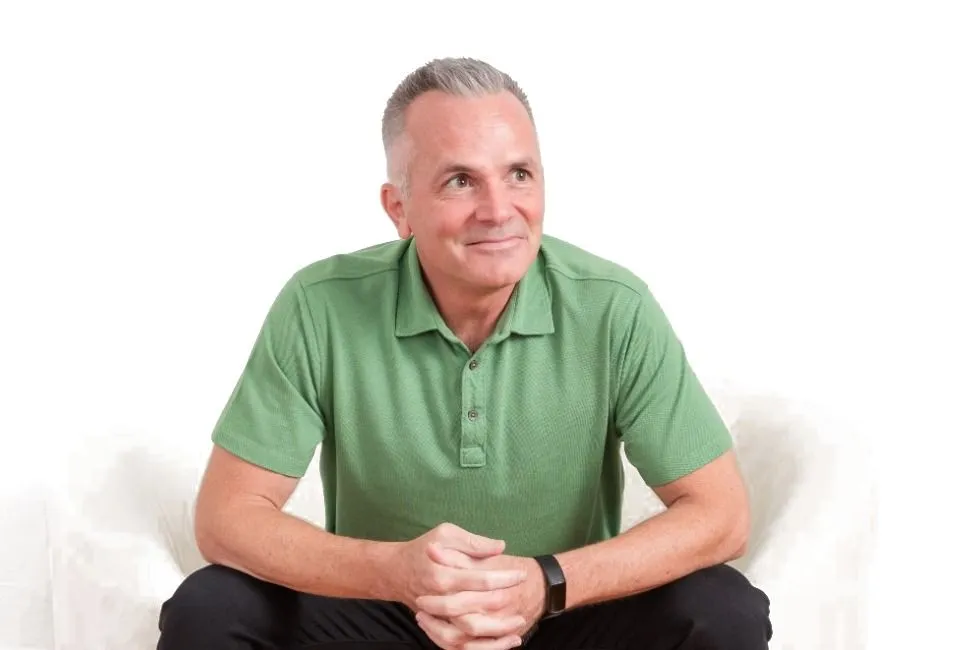
Field Office (fieldofficeguide.com) is a practical, first-person guide for experienced remote professionals who want to work from more interesting places, such as home swaps, ranger cabins, off-grid stays and the odd hotel, without their work setup falling apart. It is written by Kevin Luten, an Atlanta-based remote worker and Kindred home-swap host who has hosted 14 guests in his own home and completed 8 Kindred stays (56 nights) since October 2025, with a ninth booked. The site covers home swapping from the homeowner's side, a dependable remote-work setup (reaching a home computer from anywhere, off-grid power, Starlink and a travel kit) and paying for travel with points. Everything is based on Kevin's own stays and setup, and every referral link is disclosed.
Where to stay. Home swapping from the homeowner's side (Kevin has hosted 100 nights of Kindred guests in his own house), plus Forest Service cabins, a tent on the roof of the car and the occasional hotel to stitch a trip together.
The kit and habits that keep the work dull in the best way: reaching your home computer from anywhere, power where there is no outlet, Starlink satellite internet where there is no signal, and what goes in the bag.
How Kevin pays for flights and hotels with credit card points and airline miles. One person’s practice, written plainly, and not financial advice.
Free remote-control software (Chrome Remote Desktop), power settings so the computer never sleeps, a small plug that lets a computer with no monitor attached work properly, and how to fetch the file that did not sync.
What it is like on both sides of the door: having members stay in your home, staying in theirs, and what the system of one credit per night really buys.
On Kindred, every home costs one credit a night, whatever its size. When that works in your favor and when it does not.
The three best-known home exchange clubs, compared fairly for homeowners, including when Kindred is the wrong fit.
No newsletter and no schedule. Ask me something, or leave your email for a short note when a new guide goes up.